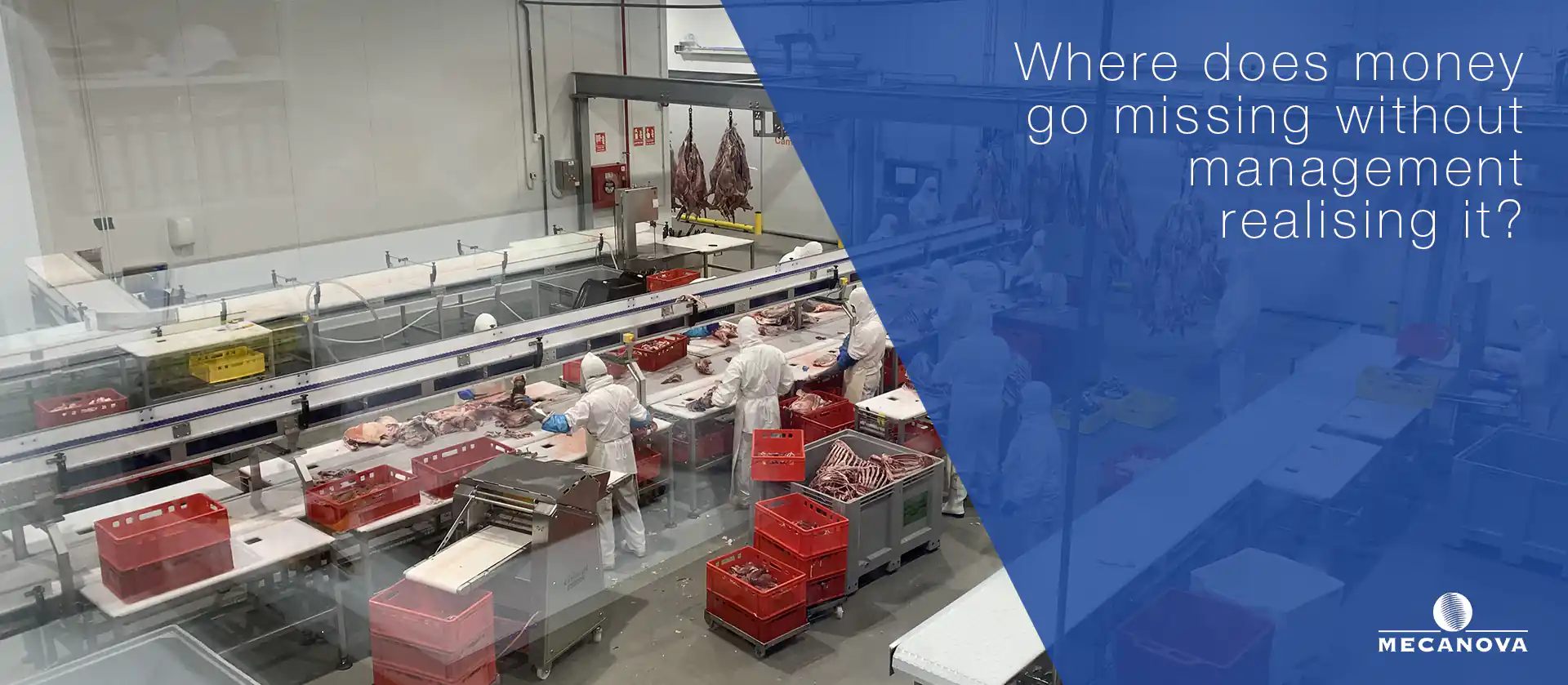
In the meat industry, operational efficiency and financial results do not quite add up, even though production targets are being met, sales are holding steady and the workforce is operating as normal. There are no major incidents, no critical downtime… and yet, actual profitability is not as high as expected.
The cause is rarely a single major problem. In most cases, money is lost quietly and gradually, through small, day-to-day inefficiencies that do not always make it into management reports.
Operational efficiency doesn’t collapse overnight. It erodes gradually.
Little stops that nobody pays any attention to
One of the main causes of lost profitability is micro-stops:
- Constant adjustments.
- Waiting times between procedures.
- Lack of coordination between departments.
- Restarts that seem insignificant.
Each of these stoppages may only last a few minutes, but taken together they amount to hours of lost production time each month. The problem is that, as they are not systematically recorded, management is unaware of them.
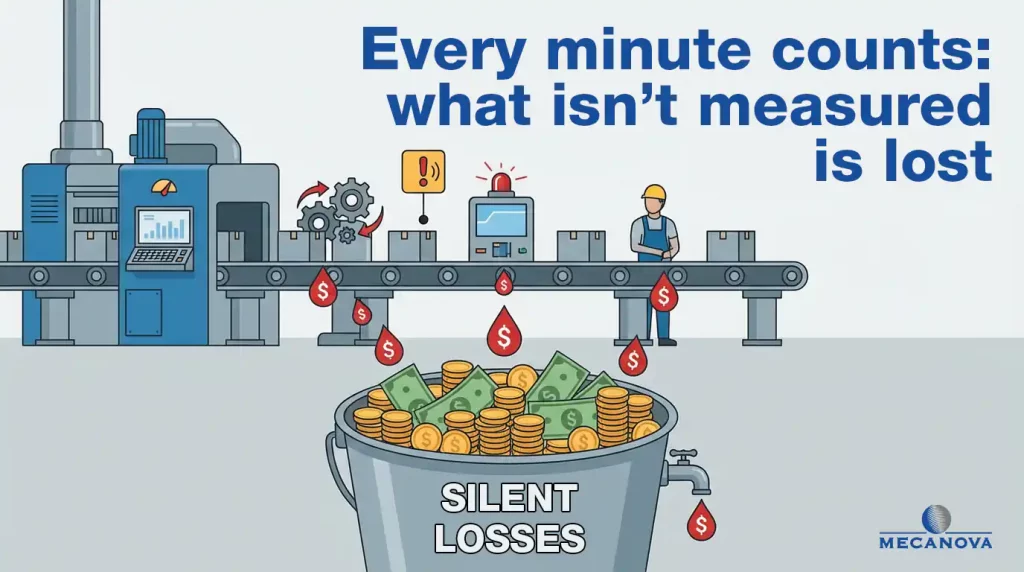
Most plants don’t lose money when something breaks, but when everything seems to be working… yet nobody has stopped to assess whether it is actually efficient
What isn’t measured can’t be managed. And what isn’t managed costs money.
Standardised bottlenecks that hamper operational efficiency in the meat industry
Many plants regard certain bottlenecks as ‘part of the process’. They are so ingrained in the daily routine that they are no longer questioned.
However, there is just one point that has been miscalculated:
- It forces staff to take on extra work upstream.
- It causes delays further down the line.
- It reduces the actual capacity of the entire line.
Efficiency is not lost due to a lack of installed capacity, but rather due to poor workflow management.
Wasted labour
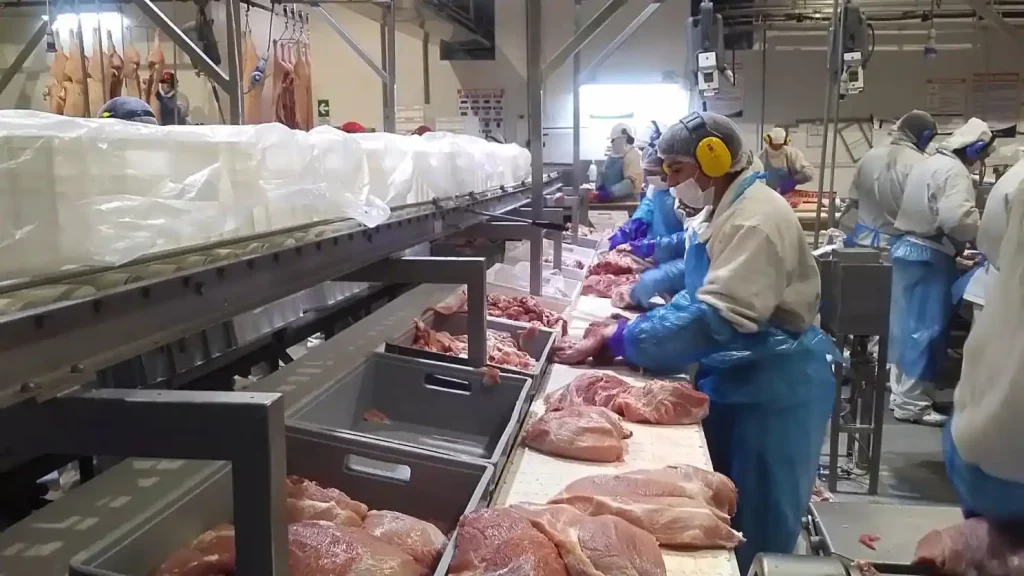
It is not just a question of wage costs, but of how people’s time is actually used.
It is common to find:
- Skilled workers carrying out low-value tasks.
- Staff waiting for the process to move forward.
- Duplicates due to a lack of selective automation.
Every minute of labour that is not put to good use represents a cost that cannot be recouped, and which is rarely recognised as a structural problem.
Hidden costs that undermine operational efficiency in the meat industry and erode profit margins
Water, energy, compressed air… When consumption is not analysed on a process-by-process basis, it results in a constant erosion of profit margins.
In many facilities:
- Whether you produce more or less, consumption remains the same.
- No deviations have been detected so far this month.
- There is no correlation between consumption and performance.
Modern operational efficiency requires control by area and by process, not just an overall bill.
Reactive maintenance disguised as business as usual
When maintenance is based on the principle of ‘fixing things when they break’, the financial loss is not always immediate, but it is inevitable.
This approach results in:
- Unplanned stoppages.
- Production under stress.
- Shorter service life of the equipment.
- Greater reliance on emergency interventions.
The cost is not just technical; it is also operational and organisational.
Lack of an overall view of the process in terms of operational efficiency in the meat industry
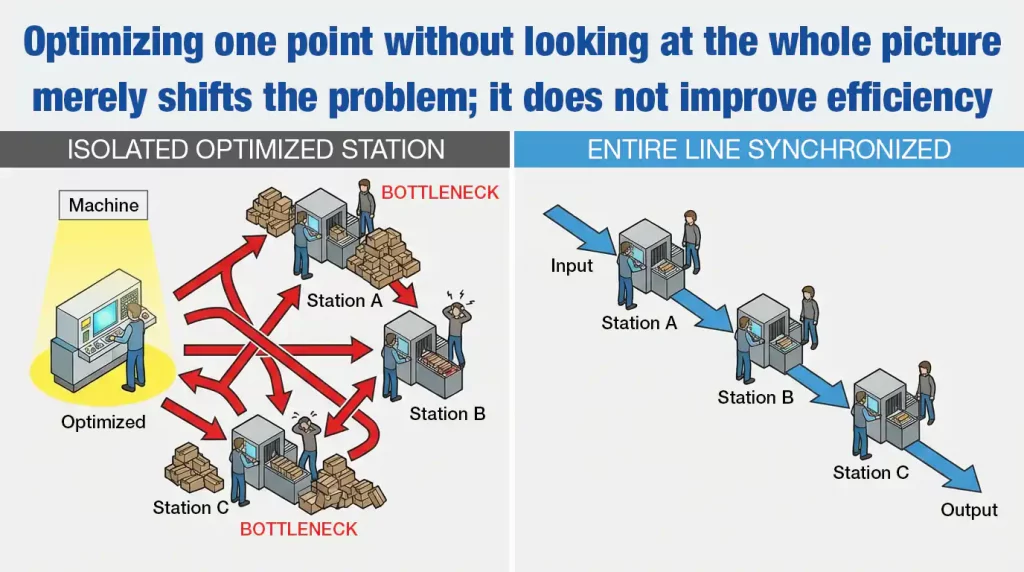
One of the most common mistakes in management is to analyse each area in isolation. True efficiency, however, is achieved by understanding the process as a single system.
Optimising a specific role is pointless if:
- It causes problems in the following.
- It throws the line out of balance.
- Pressure is mounting at another critical point.
Efficiency is not local. It is systemic.
Optimising without a holistic view does not improve efficiency; it simply shifts the problem to another point on the line
In summary
In the meat industry, money is rarely lost as a result of major mistakes. It is lost on what seems normal, on what ‘has always been done this way’ and on things that are not measured because they do not seem urgent.
True operational efficiency begins when management learns to see the invisible and to question processes that work, but not necessarily profitably.
The companies that compete most effectively today are not those that produce the most, but those that lose the least without realising it.