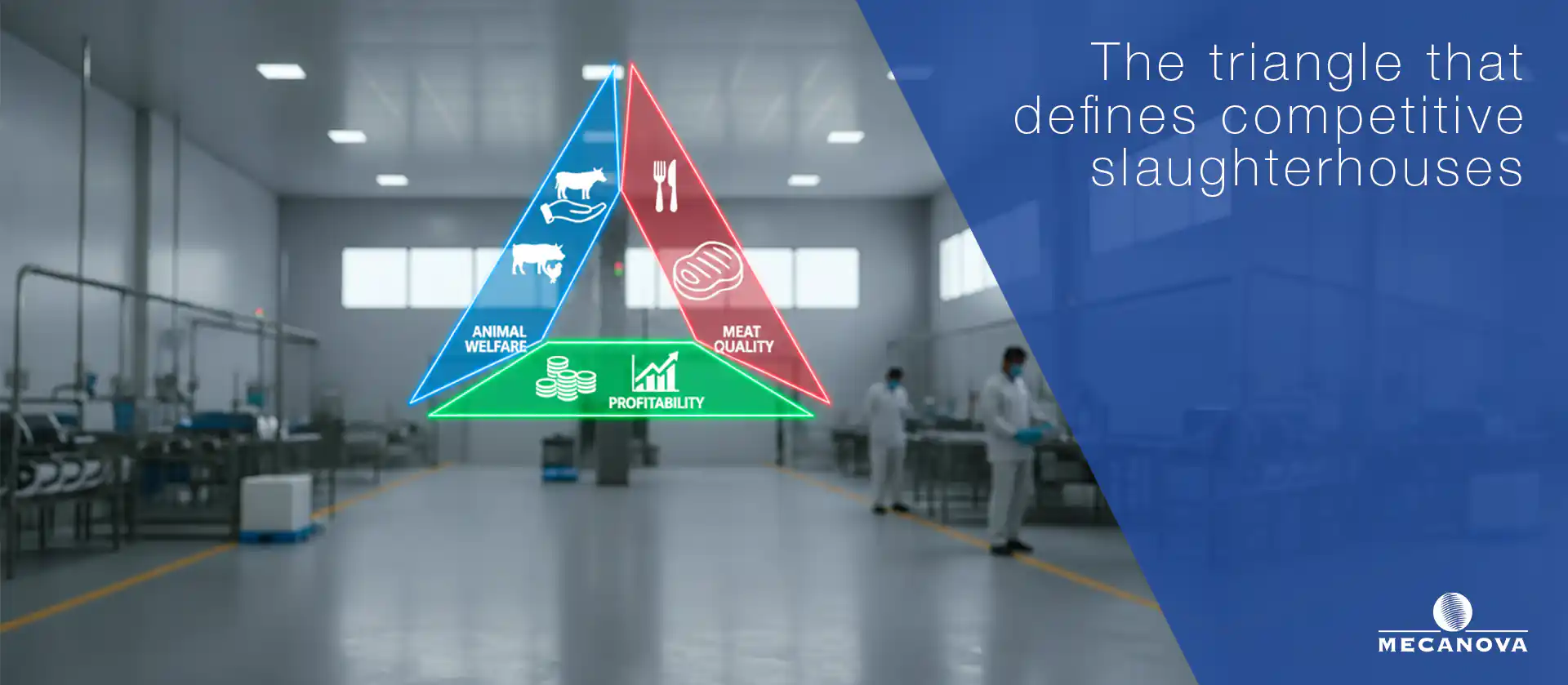
We now know that there is a direct link between animal welfare, meat quality and economic efficiency. These three factors, far from being independent of one another, form an inseparable triangle that defines the most modern and competitive slaughterhouses.
For years, animal welfare has been addressed in the meat industry primarily from a regulatory or ethical perspective. However, it is becoming increasingly clear that its impact goes far beyond simply complying with legislation or meeting consumer expectations.
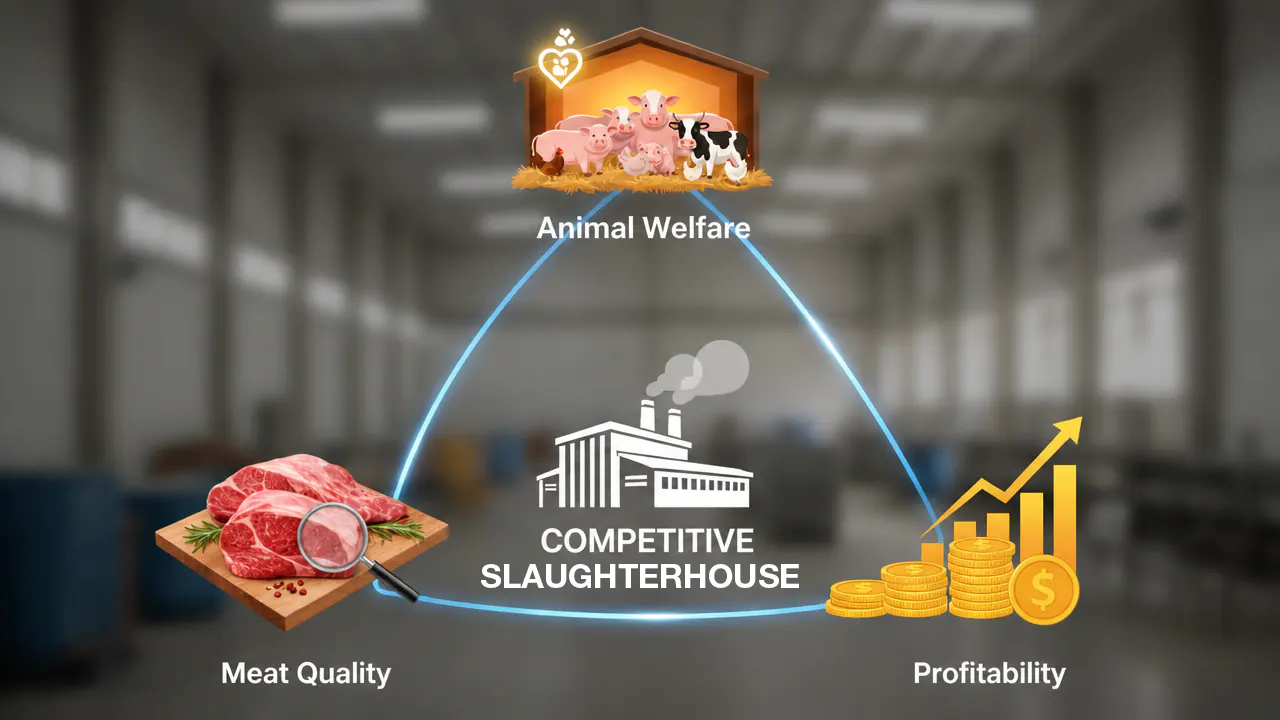
Understanding this relationship is not just a matter of responsibility. It is also a strategic management decision.
1. Stress in animals begins to take effect before they reach the slaughter line
The final quality of the meat is not determined solely at the time of slaughter. It begins much earlier, at every previous stage of the animal’s handling.
Factors such as:
- Transport
- Download
- Waiting in pens
- Driving towards the line
have a direct impact on the animal’s stress levels and, consequently, on the quality of the final product.
Improper handling can lead to problems that are well known within the industry, such as:
- changes in the pH of the meat,
- loss of performance,
- and the occurrence of defects in the final product.
These effects are not always immediately apparent, but they have a real impact on production profitability.
2. Well-designed facilities reduce stress and improve workflow
Animal welfare does not depend solely on staff training. It is also closely linked to the design of the facilities required to ensure a competitive slaughterhouse.
Aspects such as:
- clear routes with no sharp bends,
- well-lit transition zones,
- suitable control systems,
- properly designed stun boxes,
They allow the animal to move more naturally and reduce the need for forced interventions.
The result is twofold: less stress for the animal and a smoother production process.
In other words, a well-designed installation improves both well-being and operational efficiency.
3. The direct impact on meat quality
Pre-slaughter stress can cause physiological changes that directly affect the final product.
When an animal experiences high levels of stress:
- glycogen stores are disrupted,
- muscle acidification processes are altered,
- Defects appear that affect the texture, colour and shelf life of the meat.
This translates as:
- lower market value of the product,
- greater losses,
- greater difficulty in meeting stringent quality standards.
Conversely, proper handling helps to produce meat that is more uniform, consistent and highly valued by the market, thereby making the slaughterhouse more competitive.
4. Operational efficiency: the benefit that is often overlooked
There is another aspect that is less frequently discussed but equally important: the efficiency of the process itself.
When animals move forward naturally and without resistance:
- line disruptions are reduced,
- reduce operational incidents,
- the staff’s work runs more smoothly.
Animal welfare, in this sense, is not merely an ethical issue. It is also a way of stabilising production.
A more stable process means:
- barring any unforeseen circumstances,
- greater consistency,
- better use of resources.
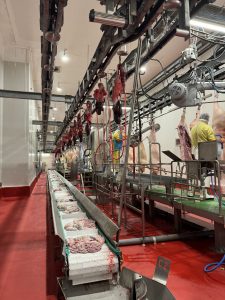
5. The vision for the modern abattoir
The most advanced facilities in the sector no longer view animal welfare as a stand-alone requirement, but as an integral part of industrial design.
This means:
- to consider the animal from the moment it arrives at the plant,
- design routes that respect their natural behaviour,
- to use effective and safe stunning systems,
- to integrate technology into a coherent process.
When all these elements are combined correctly, the result is a system that benefits all parties involved: the animal, the operator, the process… and the financial outcome too.
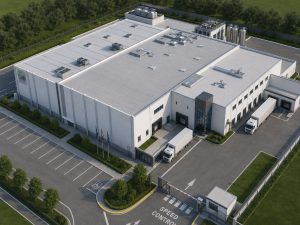
Ultimately, in the modern meat industry, animal welfare, meat quality and profitability are no longer separate concepts. They are three dimensions of the same system.
Slaughterhouses that understand this relationship and incorporate it into their design and working practices do more than simply meet market demands. They are better placed to compete in the long term.
Because, ultimately, the most efficient facilities are not just those that produce the fastest, but those that manage to strike a balance between technology, process and respect for the animal.