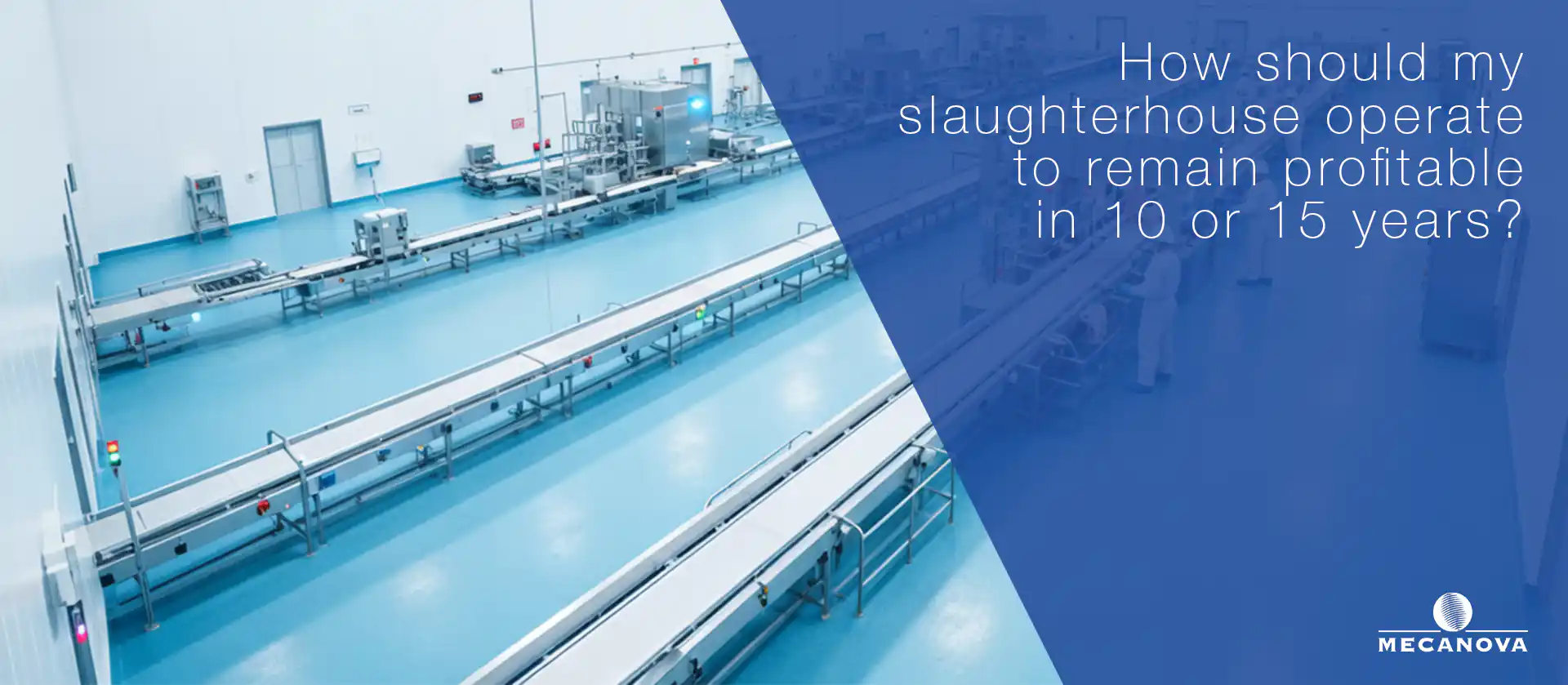
Designing or modernising a slaughterhouse is no longer simply a matter of choosing faster machinery or more automated production lines. Today, the profitability of a meat processing plant depends on a combination of well-considered technical decisions, taken with a holistic view of the process and a clear long-term focus.
Many plants continue to operate efficiently from a production perspective, but they are losing their competitive edge due to decisions taken years ago without a clear strategy: overcapacity, bottlenecks, high energy consumption or an excessive reliance on labour that is difficult to replace.
The key question that management teams should be asking themselves is not “What machine do I need?”, but rather:
How should my slaughterhouse operate to remain profitable in 10 or 15 years?
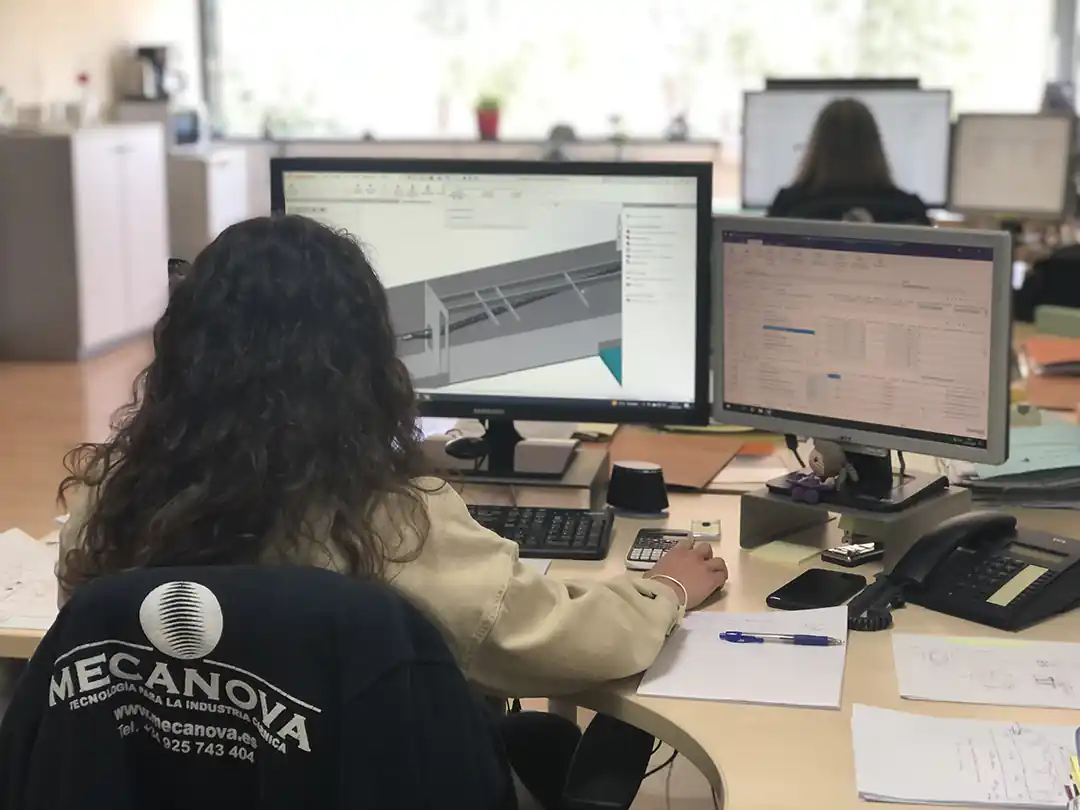
1. Floor plan design: profitability begins long before production
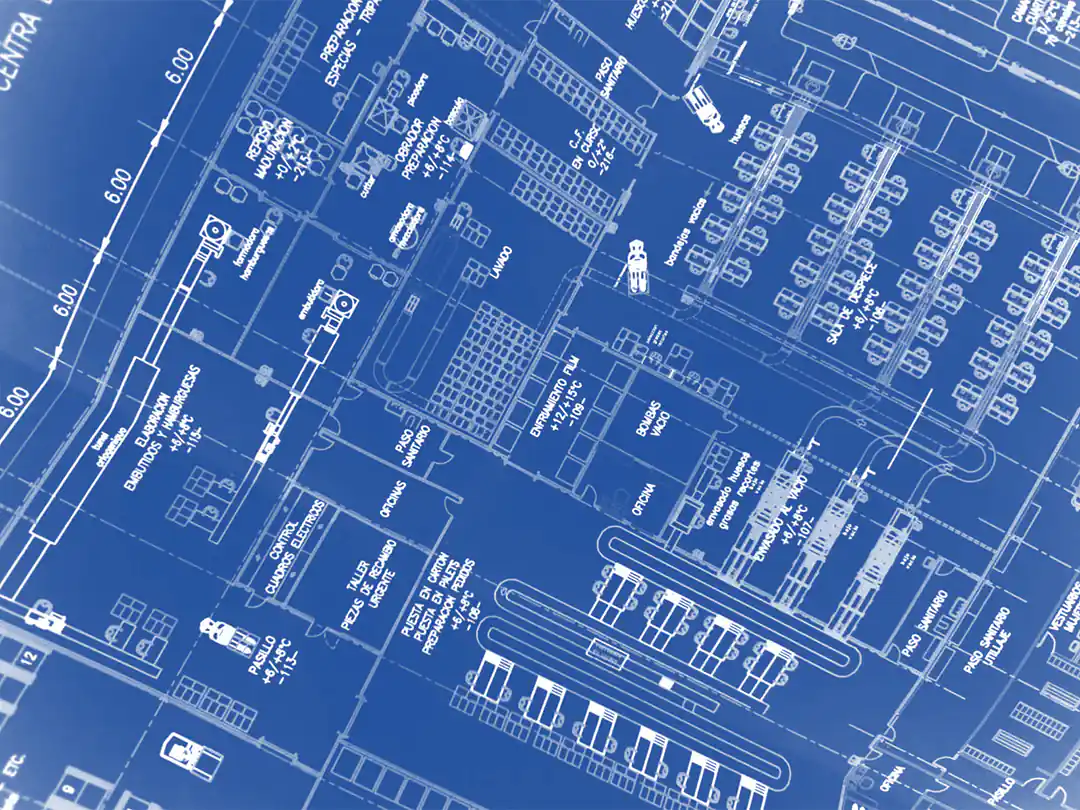
One of the most common mistakes is to think that profitability is addressed at the end of the process, when in fact it is determined during the design phase.
A well-thought-out layout:
- Cut down on unnecessary journeys.
- Minimise handling.
- Avoid cross-contamination (between products, by-products and staff).
- It facilitates future expansion without the need for major investment.
Every metre of wasted space, every unnecessary turn or every poorly proportioned area becomes a hidden fixed cost throughout the facility’s lifespan.
These days, good design is no longer a competitive advantage: it’s a must.
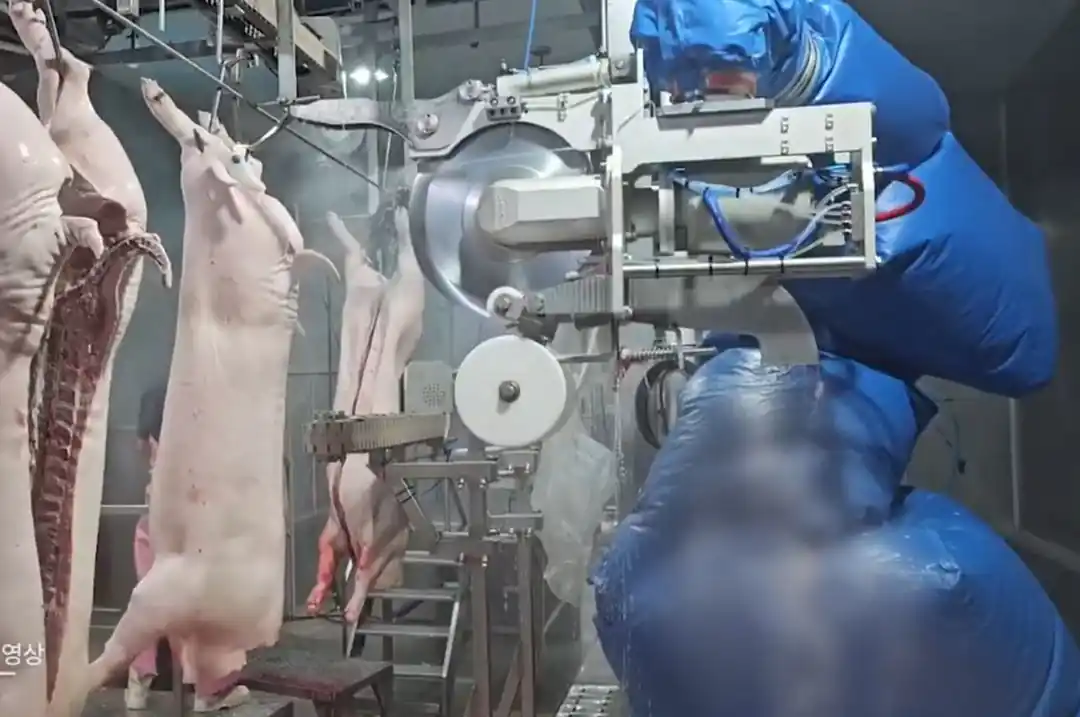
2. Automation: invest wisely, not on a whim
Automation doesn’t always mean improving profitability. The key is to automate where it really adds value.
The most cost-effective technical decisions are usually those that:
- They eliminate repetitive and physically demanding tasks.
- They reduce reliance on critical labour.
- They improve the consistency of the process.
- They improve traceability and control.
Automating simply because it is fashionable, or without first analysing the entire process, can result in investments that are difficult to recoup or underutilised systems. The right approach is strategic, not technological.
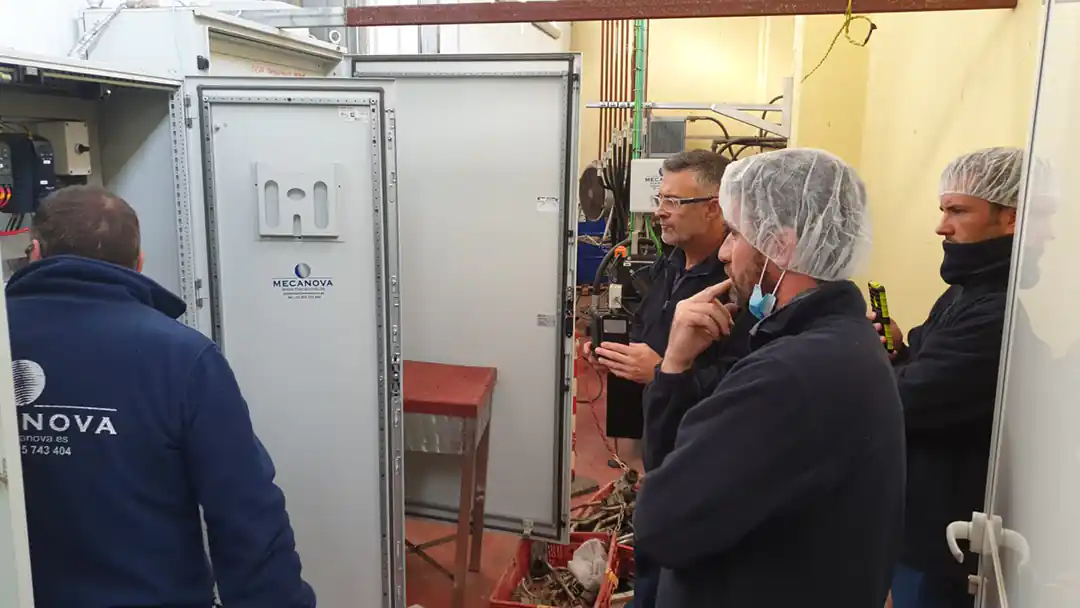
3. Think about maintenance from day one
A profitable slaughterhouse is not the one that breaks down the least, but the one that is best maintained.
The technical decisions that really make a difference in the long run are:
- Accessibility of equipment.
- Mechanical simplicity wherever possible.
- Use of standard, easily replaceable components.
- Designed with cleaning and preventive maintenance in mind.
Poorly planned maintenance costs often only become apparent years later, by which time it is too late to rectify the situation without disrupting production.
4. Energy, water and consumption: the hidden margin
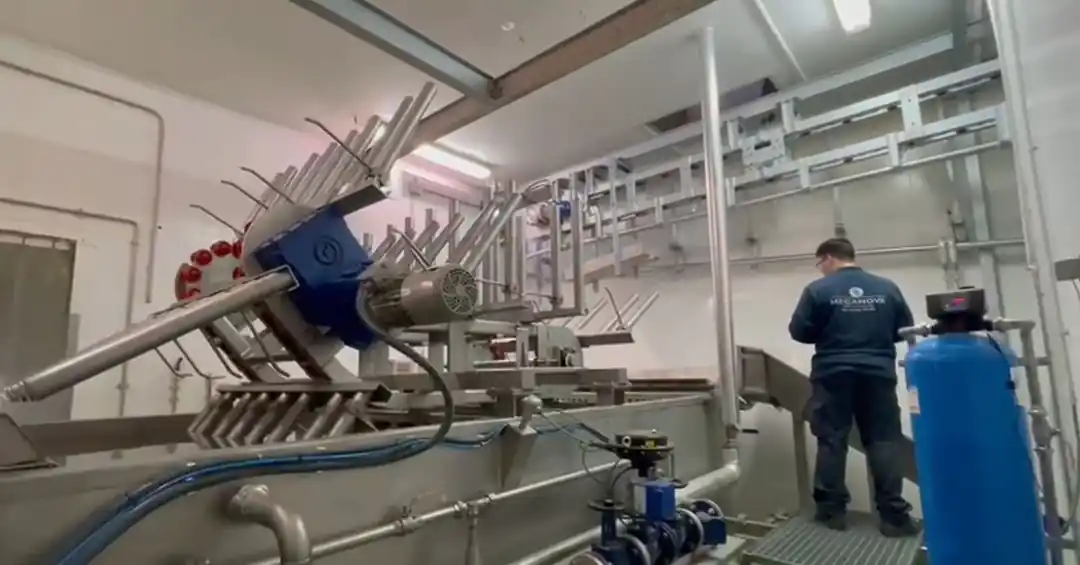
Energy and water costs are no longer a minor expense. They are a strategic factor in profitability.
Designing an efficient installation involves:
- Energy recovery wherever possible.
- Rational use of water in key processes.
- Devices that maintain performance without using up too much power.
- Preparing for future regulatory requirements.
Small technical decisions made at the outset can lead to ongoing savings for decades.
5. Flexibility: the real investment in the future
The market changes, production methods vary and regulations evolve. A profitable slaughterhouse is one that can adapt without having to reinvent itself.
Flexibility is designed:
- Leaving room for future expansion.
- With modularity in mind.
- Avoiding overly rigid solutions.
- Anticipating new requirements regarding animal welfare, safety or traceability.
Long-term profitability depends not only on the present, but also on the ability to adapt in the future.
Designing a profitable slaughterhouse is not about finding the most advanced machinery or the fastest production line. It is about making technical decisions that are consistent with a clear business vision, understanding that every choice will have an impact for many years to come.
The plants that lead the sector today are not necessarily the newest ones, but those that were best designed from the outset.
And that, precisely, is the difference between manufacturing machinery and truly understanding the meat industry.
If you want to design a profitable slaughterhouse, get in touch with one of our specialist advisors to ensure you make the best decision.